
How Are Residential Proxies Used in Cybersecurity?

by Jayden Sprent // March 5, 2026
Residential proxies for cybersecurity allow security teams to simulate real user access from different locations using authentic residential IP addresses. By routing traffic through these IPs, analysts can observe how websites and systems behave under real-world conditions. This supports threat analysis, security monitoring, and testing activities without relying on a single IP address or geographic location.
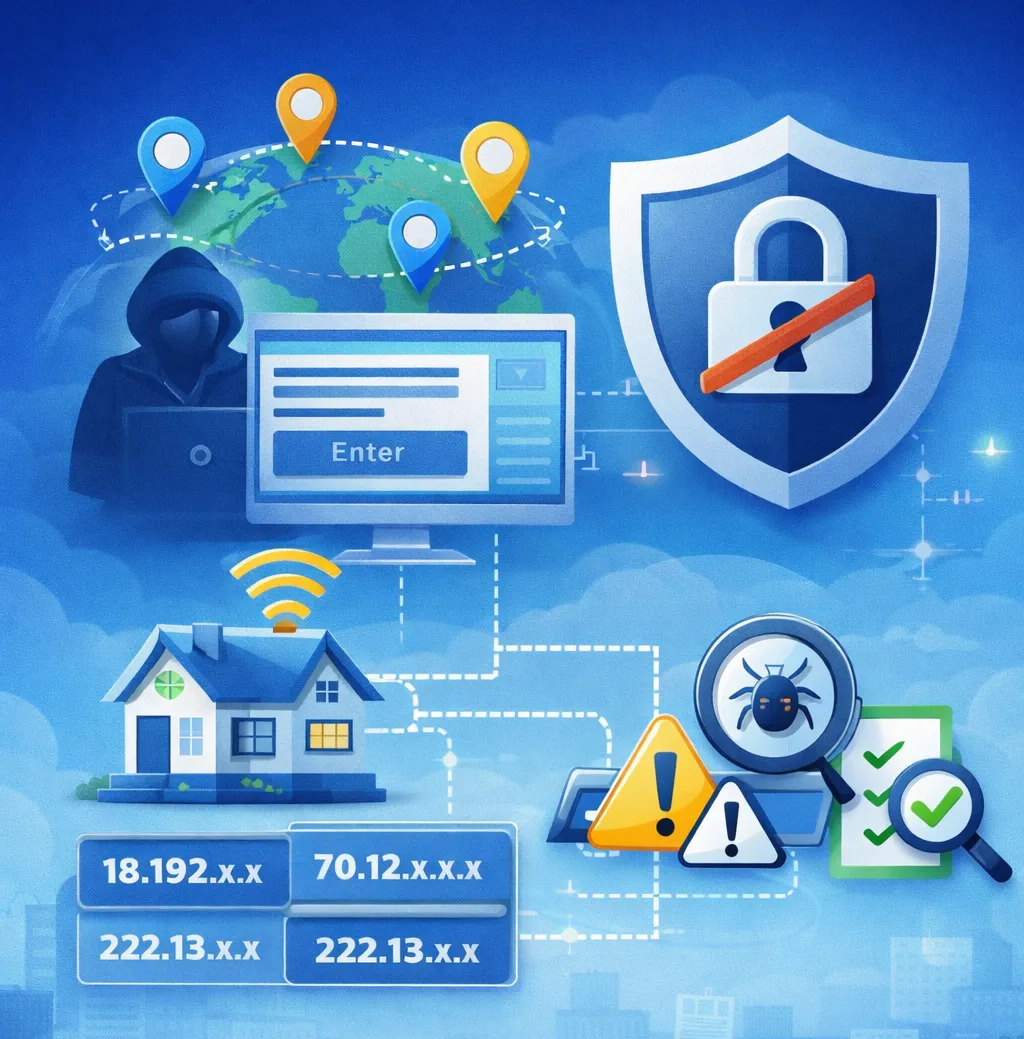
What Are Residential Proxies for Cyber Security Used For?
Residential proxies for cyber security are used to simulate real-user access from different locations and networks during security-related tasks. By routing traffic through real residential IP addresses, security teams can observe how systems behave under conditions that closely resemble normal user activity.
They are commonly used for threat analysis, vulnerability assessment, access testing, and monitoring suspicious behavior across regions. Residential proxies also help reduce access restrictions when performing repeated security checks, making them useful for large-scale or location-based cyber security analysis.
Remain Anonymous
Residential proxies help mask the original IP address, allowing security teams to perform analysis and testing without exposing their real network identity.
Encrypted Traffic
Residential proxies support secure data transmission by routing traffic through encrypted connections during cyber security analysis.
Data Leakage Prevention
Residential proxies help reduce the risk of data exposure by isolating security testing & monitoring activities from internal networks.
Bypass Geo-Restrictions
Residential proxies allow security teams to access region-restricted content to test defenses, analyze threats, and evaluate exposure across locations.
Fraud Prevention
Residential proxies help analyze suspicious activity and identify potential fraud by observing behavior across different locations and networks.
Disassociate Personal Information
Residential proxies help separate security testing activities from personal or internal identifiers, reducing unnecessary exposure of sensitive information.
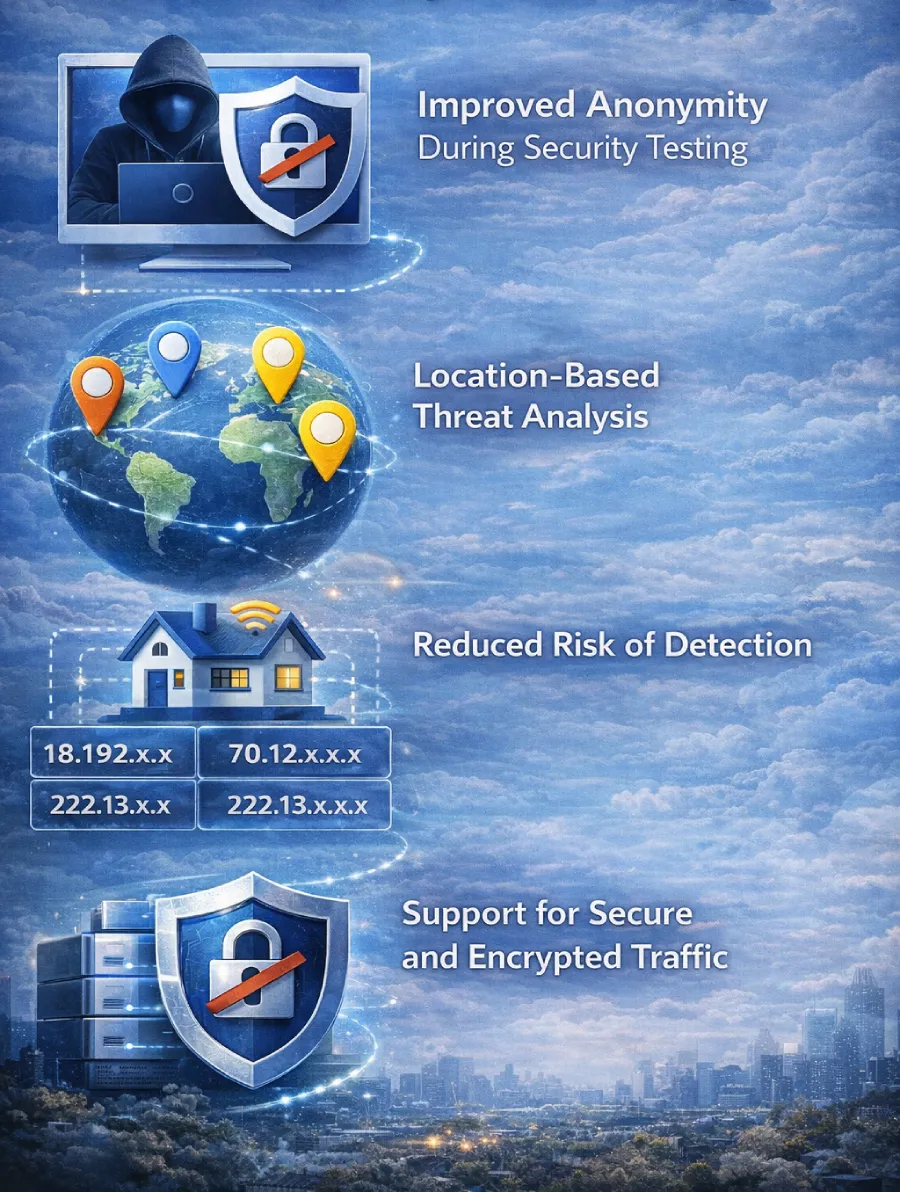
Benefits of Residential Proxies for Cyber Security
How Cyber Security Residential Proxies Improve Tracking?
When price tracking is performed at scale, repeated requests from a single IP or network can lead to incomplete or distorted results. Cyber security residential proxies help improve tracking by distributing requests across real residential IP addresses, which reduces access restrictions and interruptions during data collection.
By simulating normal user traffic from different locations, these proxies allow analysts to observe prices as they are displayed to real users in various regions. This is especially useful when tracking location-based pricing, regional offers, or dynamic price changes over time.
From a cyber security perspective, residential proxies also help isolate tracking activity from internal systems. This reduces the risk of exposing internal IP addresses while maintaining consistent access for monitoring and analysis tasks.
Frequently Asked Questions (FAQs)
Residential proxies are used to simulate real-user access during cyber security tasks such as threat analysis, access testing, monitoring suspicious behavior, and evaluating system exposure across different locations.
Residential proxies route traffic through real residential IP addresses, which helps security teams observe how systems behave under conditions that closely resemble genuine user activity.
Yes. Residential proxies help mask the original IP address, reducing the exposure of internal networks or personal identifiers during security testing and analysis.
They are commonly used for location-based testing, allowing teams to analyze geo-restricted content, regional threats, or location-specific access behavior.
Residential proxies can support fraud analysis by enabling monitoring of suspicious behavior across multiple regions and networks, helping identify irregular patterns or misuse.
They can help reduce data exposure by separating testing activity from internal systems, lowering the risk of unintentionally revealing sensitive network information.
No. For basic or internal testing, proxies may not be necessary. They become more useful when analysis requires geographic diversity, anonymity, or repeated external access.
Residential proxies themselves do not provide security features. Security depends on how they are configured and used alongside encrypted connections and proper operational controls.
Use is typically focused on publicly accessible systems or authorized testing environments. Legality depends on local laws, platform policies, and the scope of testing. Professional legal guidance is recommended for sensitive use cases.
Author
Jayden Sprent (Proxy Specialist)
Hi, I'm Jayden Sprent. Dive into the world of proxy servers with my expert evaluations and insightful analyses based on thorough research. I'll share my experiences and comprehensive guides to help you make informed decisions about proxy services.
Learn More About Jayden Sprent