
How to Use Residential Proxies for Keyword Tracking?

by Jayden Sprent // March 5, 2026
If you've ever compared your rank tracker's numbers to what a client or local customer actually sees on their own phone, you already know the problem: the ranking your tool reports and the ranking a real searcher sees are often two different things. Residential proxies close that gap by making your keyword checks originate from a real residential IP in the searcher's actual city — not a datacenter block that Google already knows isn't a person.
This guide covers why that mismatch happens, exactly how residential-IP tracking fixes it (down to the grid sizes and session types that matter), and which providers are actually built for this use case in 2026 — not just proxies that happen to work.
What Are Residential Proxies for keyword Tracking Used For?
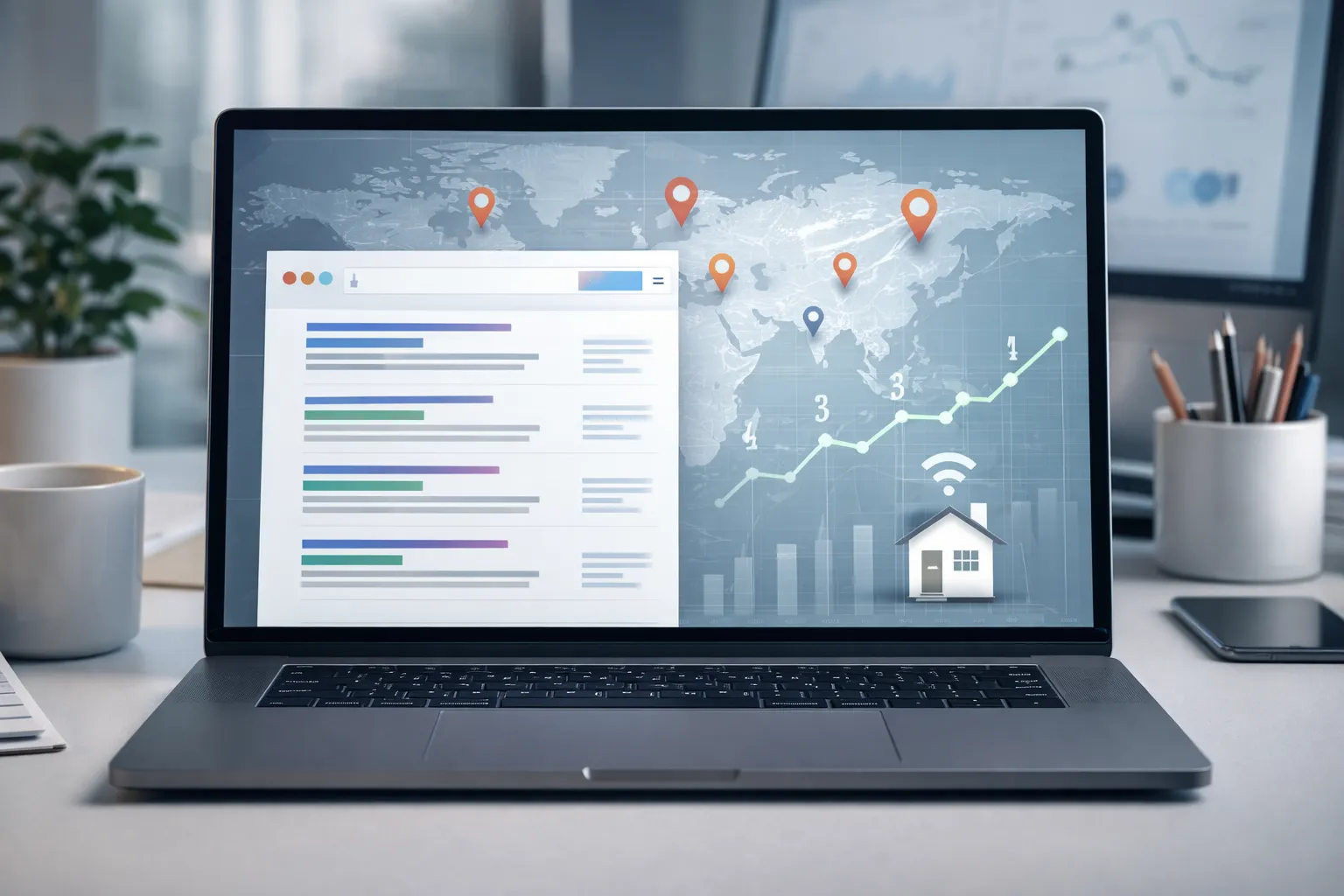
Residential proxies for keyword tracking are used to monitor search engine rankings from specific locations using real residential IP addresses. Because search results can change based on user location, device, and network signals, these proxies help SEO teams see rankings as local users actually experience them.
They are commonly used for tracking keyword positions across cities, regions, or countries, monitoring local SEO performance, and analyzing competitor rankings without relying on a single IP or server location. Residential proxies also help reduce inconsistencies that can appear when keyword tracking is performed repeatedly from the same network.
Local SEO keyword Tracking
Track keyword rankings in specific cities or regions to measure local search visibility accurately.
Multi-Location SERP Monitoring
Monitor how search results change across different geographic locations for the same keyword.
Competitor keyword Analysis
Compare competitor rankings across regions to understand local and regional SEO performance.
SERP Feature Tracking
Observe local SERP features such as map packs, featured snippets, and local listings by location.
Agency & Enterprise SEO Monitoring
Support large-scale keyword tracking across many keywords and locations with consistent access.
LLMs SERP Position Tracking
Observe LLMs citation, they are feature you service or product and take action if not showing.

Benefits of Residential Proxies for keyword Tracking
How Residential Proxies Improve keyword Tracking Accuracy
Residential proxies improve keyword tracking accuracy by allowing SEO teams to collect search engine data from real residential IP addresses tied to specific locations. This helps reduce discrepancies caused by tracking rankings from a single server, data center, or generic location.
Search engines often personalize results based on geographic signals. When keyword tracking is done without location-aware access, results may not reflect what users actually see. Residential proxies help simulate real-user searches from targeted cities or regions, making local rankings, SERP features, and competitor positions more reliable.
They also support repeated keyword checks over time by distributing requests across multiple residential IPs. This reduces interruptions during monitoring and helps maintain more consistent tracking data across keywords and locations.
Read More Residential Proxy Company: Learn More
Frequently Asked Questions (FAQs)
A residential proxy for keyword tracking is a residential IP address used to check search engine rankings from specific locations. It helps view rankings as real users see them in different regions.
Search results vary by location. Residential proxies allow keyword tracking from real residential networks, helping reduce location bias and improve accuracy.
No. They are most useful when tracking local SEO, multi-location keywords, or region-specific rankings. Single-location tracking may not require them.
No. While they improve location accuracy, rankings can still vary due to device type, personalization, and search engine updates.
Yes. They are commonly used to track city-level rankings, map pack visibility, and local SERP features.
They are typically used to access publicly available search results. Legality depends on local laws and search engine terms, so reviewing applicable policies is recommended.
Yes. They are often used by agencies and enterprises tracking many keywords across multiple locations.
Author
Jayden Sprent (Proxy Specialist)
Hi, I'm Jayden Sprent. Dive into the world of proxy servers with my expert evaluations and insightful analyses based on thorough research. I'll share my experiences and comprehensive guides to help you make informed decisions about proxy services.
Learn More About Jayden Sprent